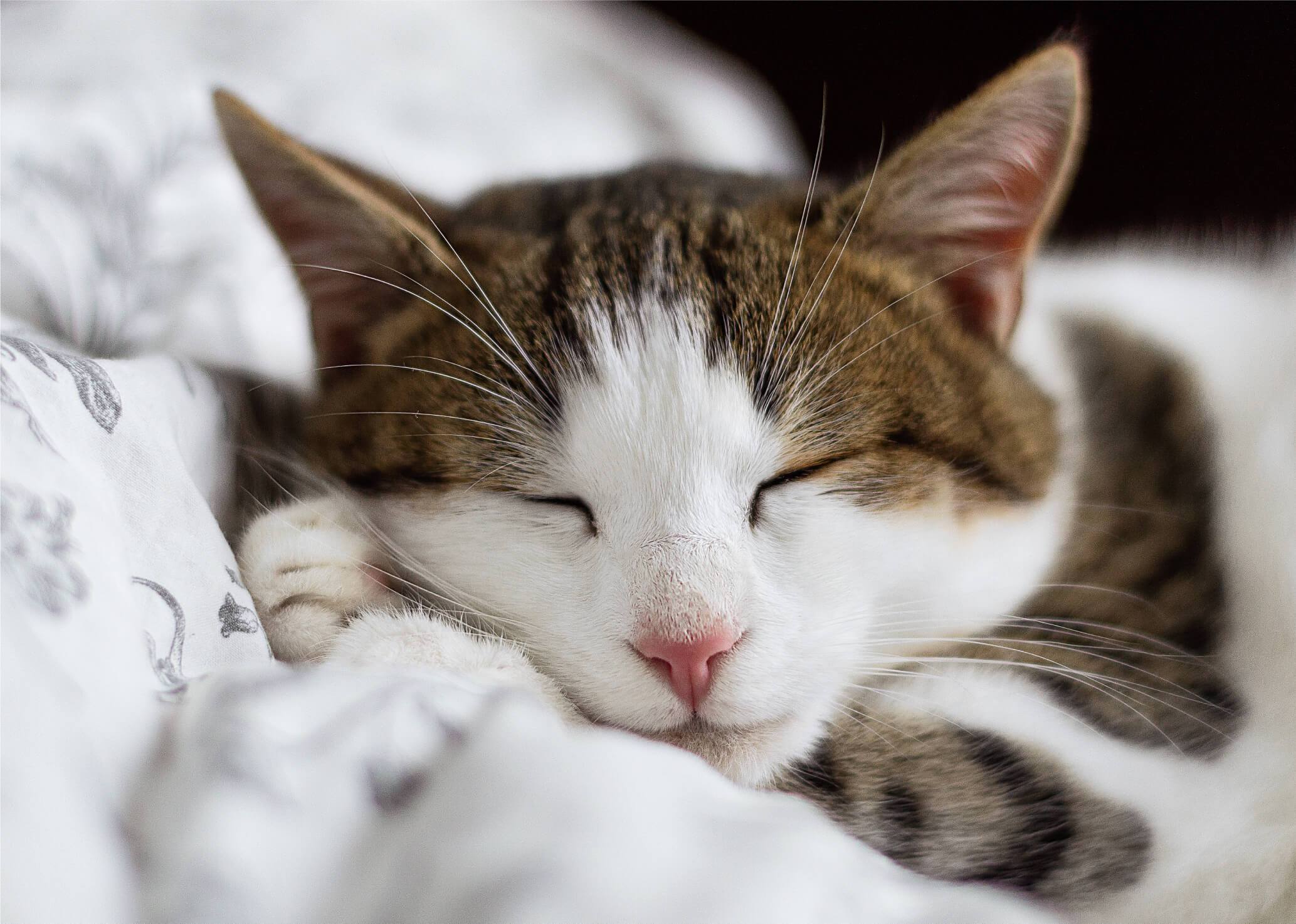


In this episode of Pet Health Unlocked, Alex Pearson and Dr. Keith Weingart discuss one of the most common challenges they hear about from pet parents: anxiety and stress in dogs and cats. With events like the Fourth of July, car rides, vet visits, and everyday life changes, many animals struggle to feel calm and grounded.
Anxiety is not just an inconvenience. It is one of the leading reasons dogs end up in shelters or rescues, and chronic stress contributes to broader health issues over time, including digestive problems and immune suppression.
Listen to the full episode on the Pet Health Unlocked YouTube playlist or our Podcast page.
Recognizing the Signs
Anxiety and stress can show up in obvious ways — pacing, panting, vocalizing, destructive behavior, or house soiling when left alone. They can also appear more subtly as changes in personality, reduced engagement with their people, or digestive upset.
Dr. Keith notes that many behavior issues stem from a mismatch between an animal’s fundamental needs and their environment. A high-energy working breed living in a small apartment with limited outlets, or an indoor cat with no opportunity to express natural hunting and exploring behaviors, is often set up for chronic stress even without a genetic predisposition.
The first step is honest observation: Are this animal’s core needs for movement, mental stimulation, safety, and connection being met?
Developing Peaceful Pet
Dr. Keith formulated Peaceful Pet because he saw a clear need for a calming option that did not overly sedate animals. Many conventional approaches focus heavily on increasing certain neurotransmitters to create drowsiness. His goal was different — to support better balance across the nervous system so dogs and cats could feel more regulated and comfortable without losing their alertness.
The formula combines herbs traditionally used for calming (such as valerian and skullcap) with others that support mood (like passionflower and lemon balm). It also includes Relora (a blend of magnolia and phellodendron bark extracts), L-theanine from green tea, and active forms of vitamin B6 to support healthy neurotransmitter production.
The result is a formula designed to help animals move through stress more gracefully while remaining engaged with their surroundings.
How and When to Use It
Peaceful Pet can be used in different ways depending on the individual animal. Some dogs, like Alex’s dog March or Dr. Keith’s dog Otis, do well with daily use because it helps them stay more grounded in everyday situations such as car rides.
For other dogs, it works well situationally — given in advance of known stressors like fireworks, thunderstorms, vet visits, or travel. Starting a few days ahead of a predictable event can help the nervous system be better prepared.
Results vary. Some animals show noticeable improvement within 24 to 48 hours. Others, especially those with longer-standing stress patterns, may need two to four weeks of consistent use to see meaningful change. Realistic expectations matter.
It Works Best Alongside Good Care
Peaceful Pet is not meant to replace meeting an animal’s basic needs. Exercise, mental enrichment, training, and a supportive environment remain essential. When these foundations are in place, calming support tends to be more effective.
It can also be layered thoughtfully with other formulas. For senior dogs showing both cognitive changes and anxiety, combining it with Canine Cognitive Support is often helpful. For some animals, adding a hemp tincture alongside Peaceful Pet provides additional nervous system support.
Starting the Conversation
If you suspect your dog or cat is struggling with anxiety or stress, begin by asking honest questions about their daily life. Are they getting enough physical and mental outlets? Is their environment allowing them to express natural behaviors? Once those basics are addressed, targeted support like Peaceful Pet can become a valuable tool.
You can explore Peaceful Pet here on our website, along with complementary options such as our hemp tincture and Canine Cognitive Support when appropriate.
As always, working with a veterinarian who understands your individual animal is helpful, especially when anxiety is significant. We are also here if you have questions about how these supports might fit into your pet’s routine.
Observing your own dog or cat closely and responding with both compassion and practical steps is one of the most meaningful things you can do.
Pets are the best.